
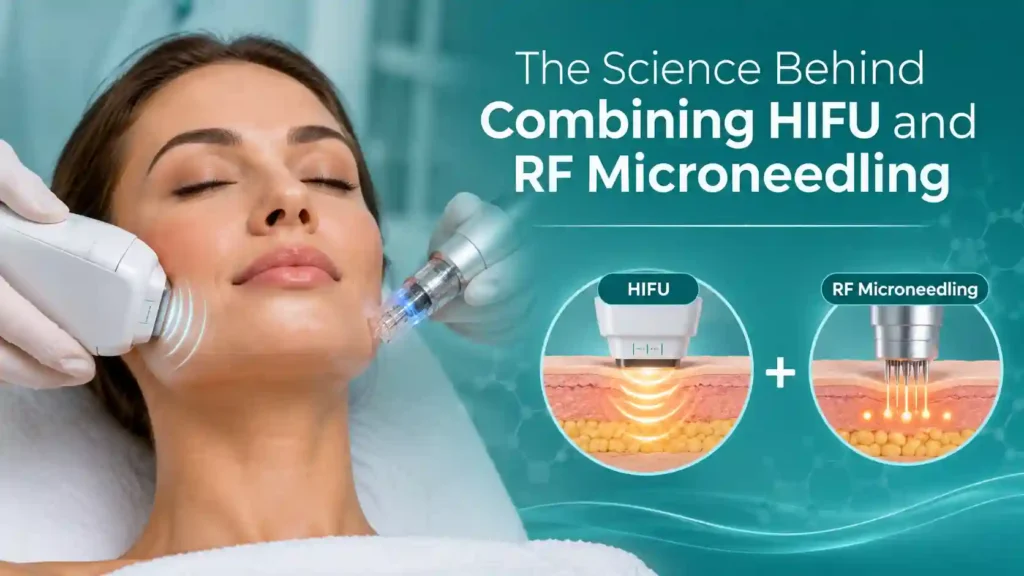
Skin ageing does not happen in just one layer. Over time, changes in collagen, elastin and the skin’s underlying support structures can contribute to sagging, fine lines, uneven texture and reduced firmness. This is why treating the appearance of ageing sometimes requires more than one approach.
HIFU and RF microneedling work differently, targeting different tissue depths and skin concerns. HIFU uses focused ultrasound energy to target selected layers beneath the skin, while RF microneedling delivers radiofrequency energy through fine needles into the skin. Some people may be considered for both treatments, but that does not mean combining them is always necessary or suitable. The decision should take into account the devices being used, the treatment areas and how the skin is likely to respond.
Although both treatments work differently, they share an important focus: encouraging changes associated with collagen remodelling. Understanding how they complement each other can help you decide whether a combined skin-tightening treatment is worth considering.
Why Does Skin Lose Its Firmness as We Age?
Collagen and elastin are important structural proteins within the skin. Collagen provides strength and support, while elastin helps the skin stretch and return towards its original shape.
As we age, collagen production and the organisation of these supporting fibres change. Sun exposure, genetics, smoking and other lifestyle factors can also influence the appearance and condition of the skin.
These changes may become noticeable as:
- Looser skin around the jawline and lower face.
- Fine lines and deeper wrinkles.
- Reduced firmness around the neck.
- Crepey-looking skin on the cheeks or décolletage.
- Uneven texture and visible acne scarring.
Not every concern has the same cause. For example, loose skin is different from excess facial fat, and neither is necessarily corrected by improving skin texture alone. Also Read: Sagging Jawline? Here is Why Combining HIFU and RF Microneedling Works So Well
This distinction matters when choosing treatment. A procedure that encourages collagen remodelling may help improve mild to moderate skin laxity, but it cannot reproduce the results of a surgical facelift or remove significant excess skin.
How Do HIFU and RF Microneedling Work?
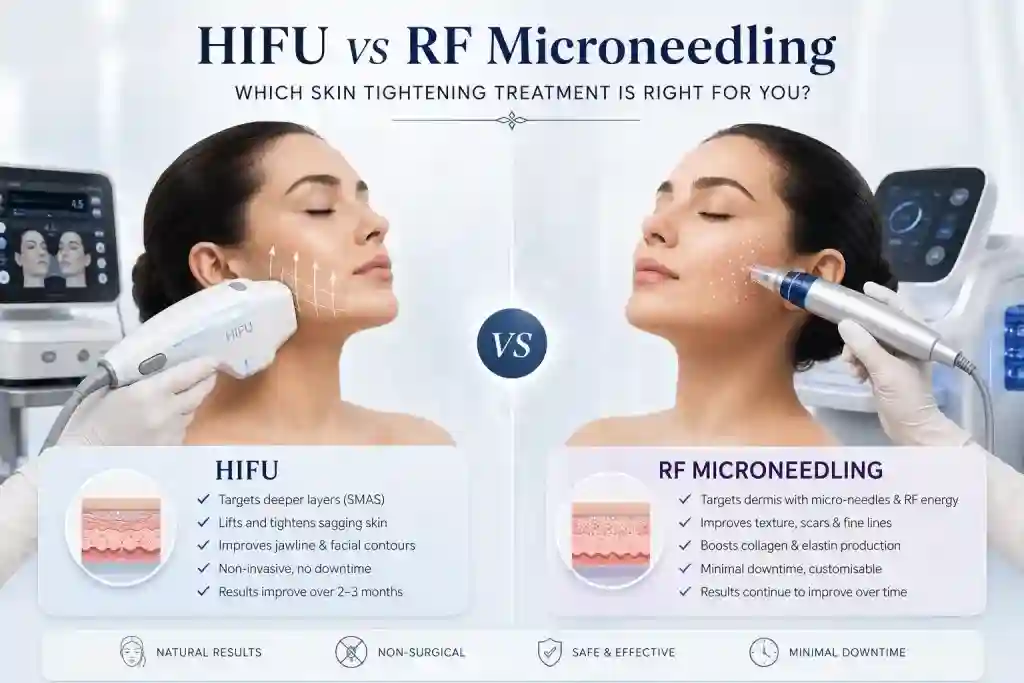
HIFU and RF Microneedling Cambridge use different forms of energy to target tissue at different depths.
HIFU: Focused ultrasound beneath the skin
High-Intensity Focused Ultrasound uses concentrated ultrasound energy to create controlled thermal points beneath the skin. Depending on the device and treatment settings, these points can target selected tissue depths and stimulate a wound-healing response associated with collagen remodelling.
The aim is to improve the appearance of skin laxity over time. Areas commonly considered for treatment include the lower face, jawline, neck and selected body areas.
Unlike treatments that use needles, HIFU delivers energy beneath the skin without puncturing it. However, it is not necessarily painless. Some people experience temporary tenderness, discomfort or sensitivity during and after treatment.
RF Microneedling: Working within the skin
RF microneedling uses very fine needles to create tiny channels in the skin. The needles deliver radiofrequency energy into the targeted tissue, producing controlled heating. Together with the micro-injuries created by the needles, this stimulates the skin’s natural healing response.
This process triggers a healing response that can encourage collagen production and tissue remodelling. It may help improve:
- Uneven skin texture.
- Fine lines and wrinkles.
- Mild skin laxity.
- The appearance of certain acne scars.
- Crepey skin and enlarged pores.
Unlike HIFU, RF Microneedling Cambridge involves controlled penetration of the skin. Temporary redness, swelling and pinpoint marks can therefore occur.
Research has reported improvements in skin texture and certain signs of ageing following RF Microneedling, although outcomes depend on the device, treatment settings and individual circumstances [1].
Why Combine HIFU and RF Microneedling?
The reason practitioners may consider these treatments together is that they work in different ways and address different aspects of skin ageing.
HIFU delivers focused ultrasound energy to selected tissue depths. Depending on the device, it may be used to address certain concerns relating to skin laxity. RF microneedling delivers radiofrequency energy through fine needles into the dermis, where controlled heating and the skin’s healing response may help improve the appearance of texture, fine lines and certain types of scarring.
When both treatments are considered appropriate, their intended roles may include:
- Skin laxity: HIFU may help improve the appearance of mild skin laxity in appropriately selected individuals.
- Skin texture: RF microneedling may help improve uneven texture, fine lines and the appearance of certain acne scars.
- Dermal firmness: RF microneedling may support collagen remodelling within the treated skin.
There is an important distinction between understanding how two treatments work individually and knowing whether they work better together. Evidence supporting each treatment separately does not automatically establish that combining them produces superior results. High-quality comparative research specifically examining combined HIFU and RF microneedling remains limited. Also Check: RF Microneedling vs HIFU for Loose Skin: Which Works Best?
For this reason, using both treatments should be based on an individual’s concerns and suitability, rather than the assumption that more treatments will produce better results.
At Spire Aesthetics, this combination is offered as the Ultimate Skin Tightening Treatment, bringing together HIFU and RF Microneedling Skin Tightening Cambridge within a personalised treatment plan.
Who May Be Suitable and What Happens During Treatment?
If you are noticing some skin looseness as well as changes in texture and firmness, this combination could be worth exploring.
A consultation should establish what is causing the concern and whether both technologies are appropriate. It should also consider skin condition, medical history, previous cosmetic procedures, medications, healing history and personal expectations.
Not everyone is suitable for these procedures. Pregnancy, breastfeeding, active skin infections, impaired wound healing and certain implanted electronic devices may affect eligibility. Other considerations can include bleeding disorders, medicines that affect healing, a history of abnormal scarring and active inflammatory skin conditions. These examples are not an exhaustive list. Contraindications and precautions vary between devices, so the manufacturer’s instructions should be checked before treatment. A consultation should also establish whether each procedure is appropriate for the individual.
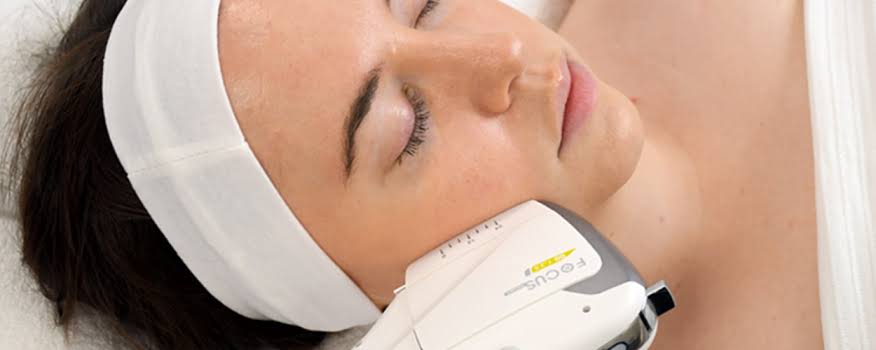
During treatment, the skin should be assessed and the treatment areas agreed. HIFU is applied using a suitable treatment applicator, while RF Microneedling involves preparing the skin and using a sterile needle-based treatment tip. Topical numbing may be considered for RF Microneedling, depending on the device and protocol.
Before treatment begins, the practitioner should explain how each procedure works, its potential benefits and limitations, possible side effects and available alternatives. Before going ahead, you should be able to talk through your medical history, ask any questions and find out what recovery might involve. Treatment should only proceed once suitability has been established and informed consent has been obtained.
The sensation varies. HIFU may feel like brief pulses of heat, tingling or deeper tenderness. RF Microneedling can involve pressure, warmth and a prickling sensation.
Treatment time depends on the areas being treated and the equipment used.
Results, Recovery, Risks and Realistic Expectations
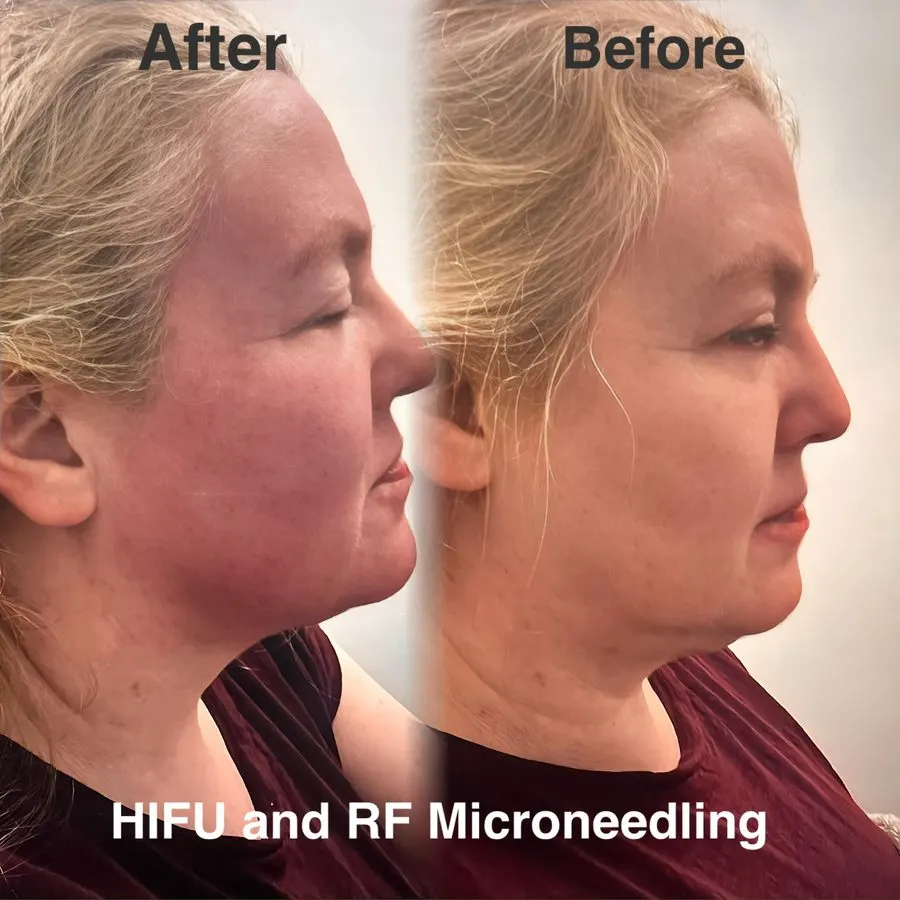
Neither treatment produces an instant replacement for lost collagen. Changes associated with collagen remodelling develop gradually, so improvements may become more noticeable over several weeks or months.
Some people may notice firmer-looking skin or improvements in texture, but the extent of change varies. Age, skin condition, treatment settings, the degree of laxity and individual healing responses all play a part.
After treatment, temporary redness, swelling, tenderness and sensitivity may occur. RF Microneedling can also cause pinpoint bleeding, bruising, crusting or temporary changes in pigmentation.
More serious complications are possible. In October 2025, the US Food and Drug Administration (FDA) issued a safety communication highlighting reports of serious complications associated with certain uses of RF microneedling.
These included burns, scarring, unwanted fat loss, disfigurement and nerve damage. The communication reinforces the importance of appropriate practitioner training, equipment knowledge, and careful treatment planning. These reports should not be interpreted as meaning that every RF microneedling procedure causes such complications, but they underline why the risks must be taken seriously.
HIFU also has potential risks, including discomfort, swelling, bruising, altered sensation and, in uncommon cases, nerve-related injury or unwanted tissue effects. Risk varies with the device, treatment area and technique.
Following treatment, patients should receive clear aftercare instructions. These may include avoiding unnecessary irritation, following skin-cleansing advice and protecting treated skin from sun exposure. Check This Also: HIFU and RF Microneedling Combined: The Ultimate Skin Tightening Treatment?
Neither treatment should be viewed as a guaranteed solution for significant sagging, deep folds, substantial excess skin or facial volume loss. Some people may achieve a more suitable outcome with alternative treatments or a medical assessment.
If you notice that the pain or swelling is getting worse, or you develop blisters, ongoing numbness or unusual changes to your skin, get in touch with your clinic. Don’t wait for these symptoms to settle on their own. If they are severe or continue to worsen, seek medical advice.
Is Combining HIFU and RF Microneedling the Right Choice?
The best treatment plan is not necessarily the one involving the most technology. It is the one that addresses the actual concern safely and realistically.
Before you go ahead, put these questions to your practitioner:
- Which HIFU and RF microneedling machines will you be using?
- Why do you think I need both treatments for my skin?
- What can I realistically expect for my own concerns?
- What could go wrong, and are there other options?
- How many days should I plan for recovery?
- How will you track my progress, and what happens if I react badly?
It is also worth asking about your practitioner’s qualifications, relevant training and practical experience with the specific devices being used. Find out what safety checks are carried out, whether sterile single-use needle tips are used for RF microneedling, and what arrangements are in place if a complication occurs. You should feel comfortable asking questions and have enough information to make an informed decision before agreeing to treatment.
At Spire Aesthetics, the Ultimate Skin Tightening Treatment combines HIFU with RF Microneedling Skin Tightening to address skin firmness and texture through two different technologies.
If you are considering non-surgical skin tightening, a consultation with Spire Aesthetics is a sensible starting point. It allows your concerns, suitability and expectations to be discussed before deciding whether a combined approach is appropriate.
Your skin does not need the most treatments possible. It needs an approach that makes sense for its condition.
Frequently Asked Questions
Q: Can HIFU and RF Microneedling Cambridge be performed together?
Some people may be suitable for both HIFU and RF microneedling, but that doesn’t mean the treatments should always be done together. In some cases, separate appointments may be more appropriate. It depends on the equipment being used, the areas being treated and how your skin responds. Your practitioner should discuss the timing with you and explain why they recommend a particular treatment plan.
Q: Is combining HIFU and RF microneedling better than having just one?
Not necessarily. Both treatments have different purposes, so using them together may be considered when someone has more than one skin concern. However, there is limited research directly comparing the combined approach with either treatment alone. Having both procedures does not automatically mean better results. Some people may benefit from one treatment rather than a combination. The decision should depend on the individual’s skin concerns, treatment suitability and realistic expectations.
Q: How long until I see results?
Results are not immediate. Changes associated with collagen remodelling develop gradually over time, and the timeframe varies between individuals. The type of treatment, device settings, skin condition and individual healing response can all influence when improvements become noticeable. Your practitioner should explain what results and timeframe are realistic for the specific treatment plan rather than promising a fixed date.
Q: Can HIFU and RF Microneedling Cambridge treat loose skin on the body?
Both HIFU and RF microneedling have applications beyond the face, depending on the device and its approved or intended treatment areas. The abdomen, arms and thighs may be considered for certain procedures. However, suitability depends on the individual’s skin condition, degree of laxity, treatment area and the equipment being used. Not every device is designed or suitable for every body area.
Q: Are there risks associated with combining the two treatments?
Yes. Both treatments have potential side effects, including discomfort, swelling and temporary skin changes. RF Microneedling also carries risks such as burns, scarring and unwanted fat loss. A proper assessment and suitable treatment planning are essential.
References & Further Reading
I’ve added the original research and safety information mentioned in this article below. If you want to check the studies for yourself or find out more about the risks, you can follow the links.
1. Research into RF microneedling
This review by Tan and his colleagues looks at RF microneedling and how it is used in skin treatments. It provides some useful background on the treatment discussed in this article.
Read the paper – Radiofrequency Microneedling: A Comprehensive and Critical Review
2. What the FDA says about RF microneedling safety
In October 2025, the FDA warned about serious problems reported with certain RF microneedling treatments. If you’re thinking about having the procedure, it’s worth knowing what these risks are and making sure the person carrying it out has the right training and experience.
3. Research into HIFU for skin tightening
This review looks at studies involving high-intensity focused ultrasound (HIFU), including its use for skin tightening and body contouring.
4. Research into microfocused ultrasound and sagging skin
This paper reviews research on microfocused ultrasound and its use for improving the appearance of sagging skin.
For Further Information, please call us on 03300100092